Experts

Eric Edelman

Practitioner Senior Fellow

Fast Facts

  • Career minister in the U.S. Foreign Service
  • Undersecretary of defense for policy in the George W. Bush Administration
  • Ambassador to Finland and Turkey
  • Recipient of Department of Defense Medal for Distinguished Public Service
  • Expertise on defense policy, nuclear policy and proliferation, diplomacy

Areas Of Expertise

  • Foreign Affairs
  • American Defense and Security
  • War and Terrorism

Eric Edelman, practitioner senior fellow, retired as a career minister from the U.S. Foreign Service in 2009, after having served in senior positions at the Departments of State and Defense as well as the White House. As the undersecretary of defense for policy (2005-2009), he oversaw strategy development as the Defense Department’s senior policy official with global responsibility for bilateral defense relations, war plans, special operations forces, homeland defense, missile defense, nuclear weapons and arms control policies, counter-proliferation, counter-narcotics, counter-terrorism, arms sales, and defense trade controls. Edelman served as U.S. ambassador to the Republics of Finland and Turkey in the Clinton and George W. Bush Administrations and was principal deputy assistant to Vice President Dick Cheney for national security affairs. Edelman has been awarded the Department of Defense Medal for Distinguished Public Service, the Presidential Distinguished Service Award, and several Department of State Superior Honor Awards. In January of 2011 he was awarded the Legion d’Honneur by the French government. In 2016, he served as the James R. Schlesinger Distinguished Professor at the Miller Center.

Eric Edelman News Feed
In recent years, a number of countries—China and Russia, in particular—have found ways to take the kind of corruption that was previously a mere feature of their own political systems and transform it into a weapon on the global stage.
Philip Zelikow, Eric Edelman, Kristofer Harrison, and Celeste Ward Gventer Foreign Affairs
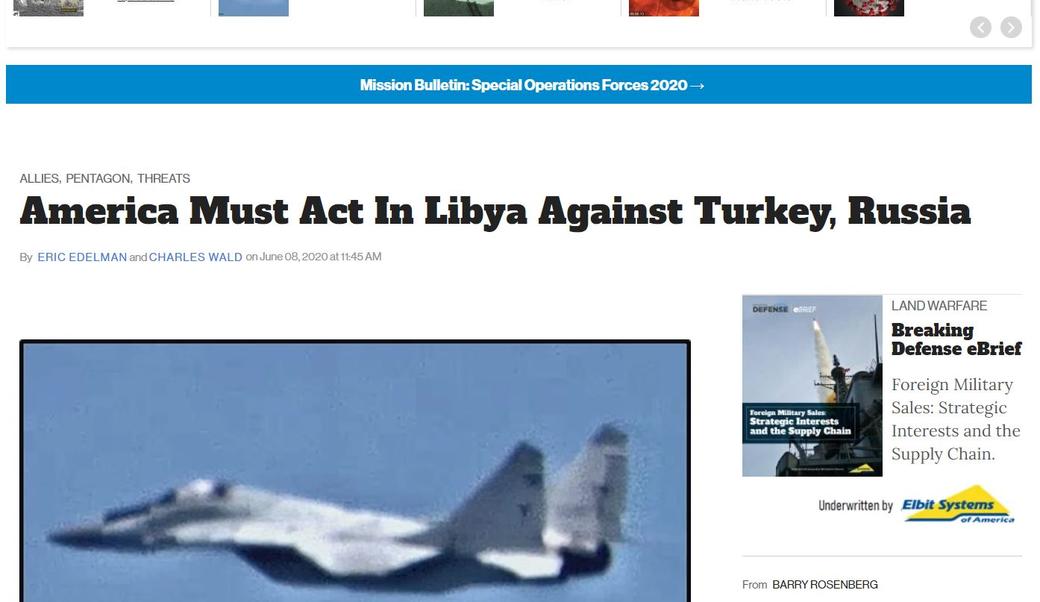
Turkey’s recent intervention in Libya is intensifying a proxy war and regional energy competition that threaten vital U.S. interests, while Washington mostly observes from the sidelines. As fighting grows in the Mediterranean country, the United States urgently needs to assume an overdue leadership role to end or mitigate this spiraling conflict.
Eric Edelman Breaking Defense
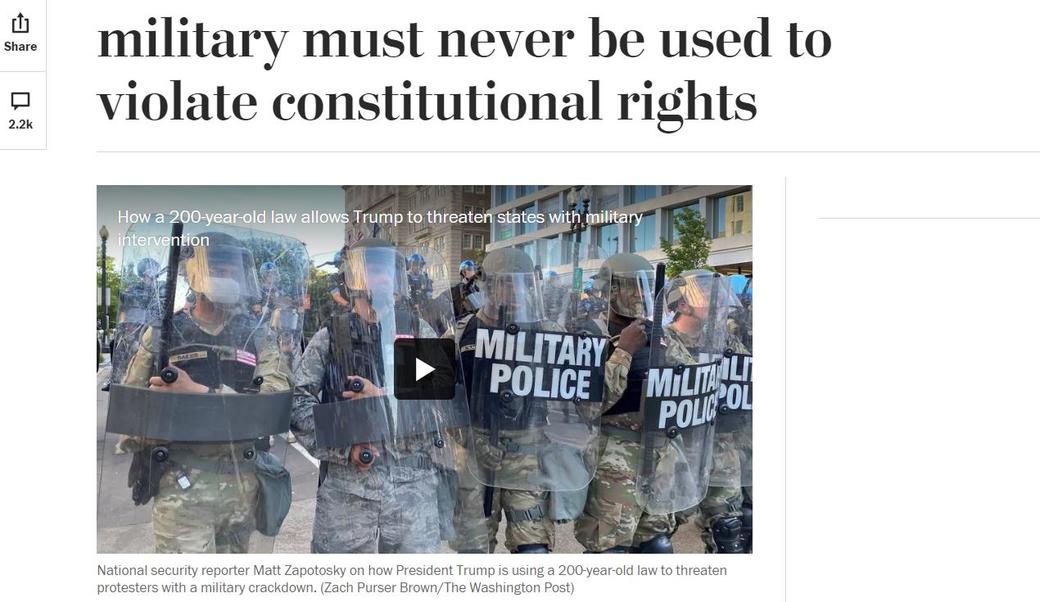
President Trump continues to use inflammatory language as many Americans protest the unlawful death of George Floyd and the unjust treatment of black Americans by our justice system. As the protests have grown, so has the intensity of the president’s rhetoric. He has gone so far as to make a shocking promise: to send active-duty members of the U.S. military to “dominate” protesters in cities throughout the country — with or without the consent of local mayors or state governors.
Eric Edelman The Washington Post
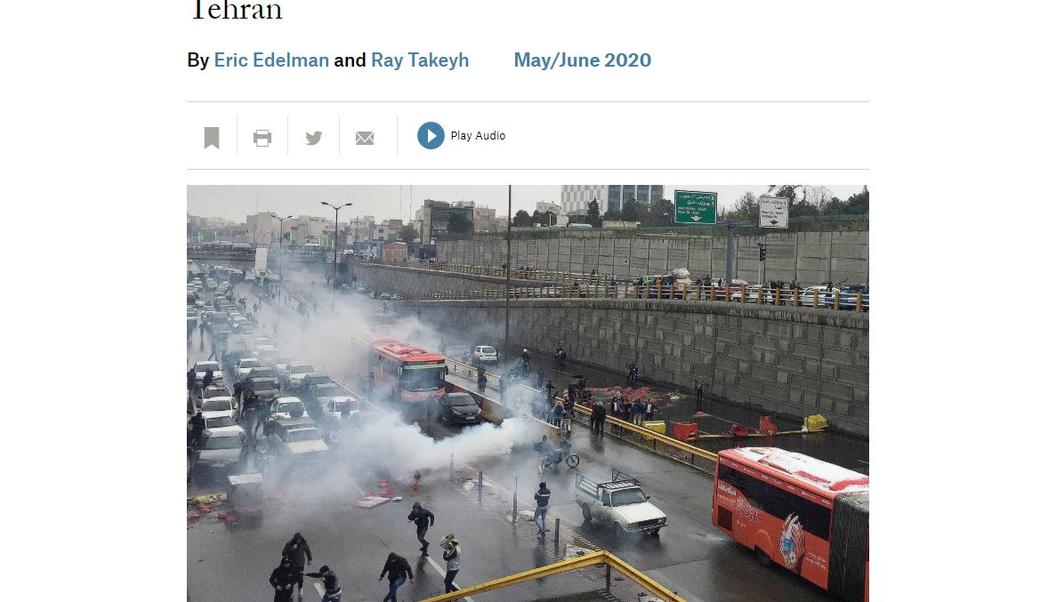
"Regime change” is a toxic phrase in Washington. It conjures up images of the Iraq war, with the United States trapped in a quagmire of its own making. That is why those who favor a coercive U.S. approach to Iran are routinely charged with secretly supporting regime change. In response, the accused almost always deny it. They don’t want regime change, they insist: they just want the Islamic Republic’s theocrats to change their behavior.
Eric Edelman Foreign Affairs
Has the world gone mad? Or are we just in a period of heightened anxiety? Join us as two veteran diplomats, Ambassadors Nancy Soderberg and Eric Edelman (who is also a Miller Center senior fellow), offer their unique perspective on the state of the world and the U.S. role in it in a wide-ranging conversation with each other and audience members.
Eric Edelman Miller Center Presents
A distinguished group of American, European, and Russian former government officials and think tank experts has taken advantage of the Munich Security Conference to issue a statement recommending twelve steps to bring greater security to Ukraine and the Euro-Atlantic region. For years, the Kremlin has tried to change the conversation on Ukraine, and they are clearly seeking another opening in Munich. In response, twenty-seven former US diplomats, government officials, and experts point out their errors.
Eric Edelman The Atlantic Council